
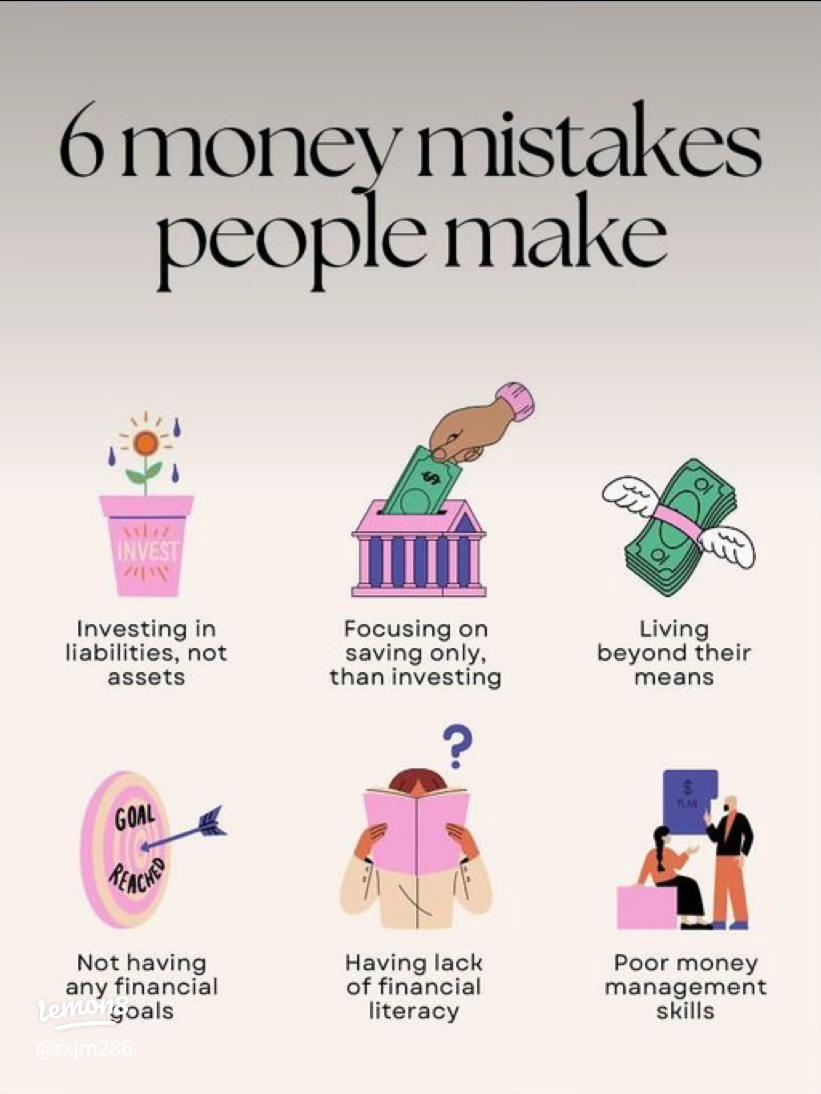
Young people today face many challenges, from finding a job to paying off student loans. Along the way, they often make common financial mistakes that can impact their long-term financial health. Here are six mistakes to watch out for:
1. Not Saving for Retirement Early Enough
Many young adults prioritize spending on non-essential items—like dining out, fashion, or gadgets—instead of starting their retirement savings. Missing early contributions means losing out on compound interest, which can dramatically reduce retirement savings over time. Starting early, even with small amounts, is key to long-term financial security.
2. Taking on Too Much Debt
Short-term loans or easy-access credit can seem convenient, but young adults often overuse them. High-interest rates and strict repayment terms can quickly lead to financial strain. Over-borrowing without careful planning increases debt and creates long-term financial stress.
3. Failing to Invest in Yourself

Investing in personal and professional development is critical for future success. Young people often neglect skill-building, education, and mentorship opportunities that could advance their careers. Prioritizing self-investment equips individuals to earn more, grow professionally, and make smarter financial decisions in the future.
4. Not Building an Emergency Fund
Emergency funds are often overlooked but essential. Life is unpredictable, and unexpected costs—such as car repairs, medical bills, or job loss—can cause major financial stress. Having a dedicated fund prevents reliance on high-interest loans and protects savings, giving peace of mind during unforeseen situations.
5. Ignoring Your Credit Score

Credit scores influence your ability to get loans, rent housing, and even qualify for some jobs. Many young people neglect monitoring their credit, which can lead to poor credit history from simple mistakes or missed payments. Understanding and maintaining a good credit score is crucial for financial stability.
6. Not Making a Budget
Without a budget, tracking income, expenses, and savings becomes difficult, and overspending can easily occur. A proper budget helps young people manage rent, groceries, loans, and discretionary spending. It provides insight into financial habits, identifies problem areas, and encourages smarter spending and saving.
Final Thoughts
While these financial mistakes are common, young people can avoid long-term consequences by taking proactive steps:
- Avoid predatory loans.
- Invest in personal growth.
- Build an emergency fund.
- Monitor and maintain a healthy credit score.
- Create and follow a realistic budget.
By staying vigilant and disciplined, young adults can build a secure financial future and set themselves up for long-term success