
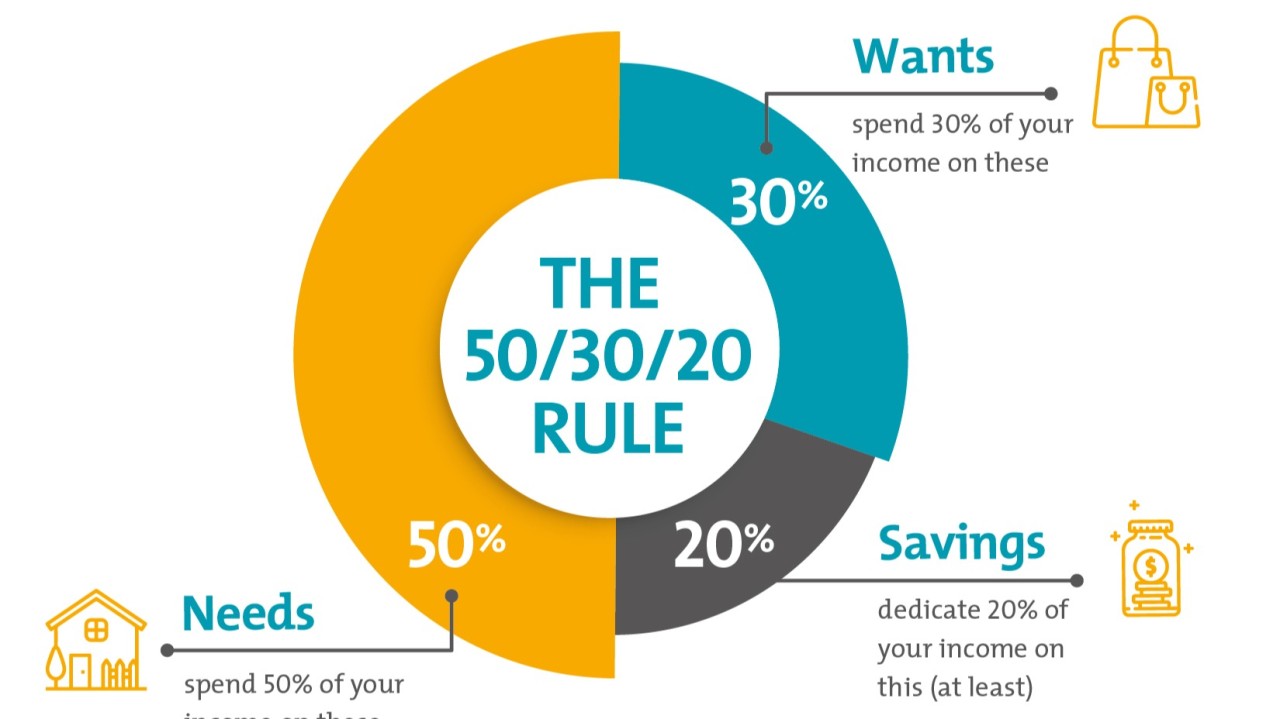
The 50/30/20 budgeting method is a popular personal finance principle, but its core ideas can be applied to businesses to optimize cost management and cash flow. This rule divides net income into three main categories:
- 50% Essential Needs
- 30% Personal or Development Spending
- 20% Savings and Investments
Although it originated for individuals, businesses can adopt this principle to control costs, plan long-term investments, and drive sustainable growth.
Understanding the 50/30/20 Rule
Personal finance perspective:
- 50% Essentials: Mandatory monthly expenses such as rent, food, and insurance.
- 30% Wants: Non-essential spending to improve quality of life, like dining out, subscriptions, or fashion.
- 20% Savings & Debt Repayment: Prioritize emergency funds and pay off debts beyond the minimum to reduce interest.
Business application:
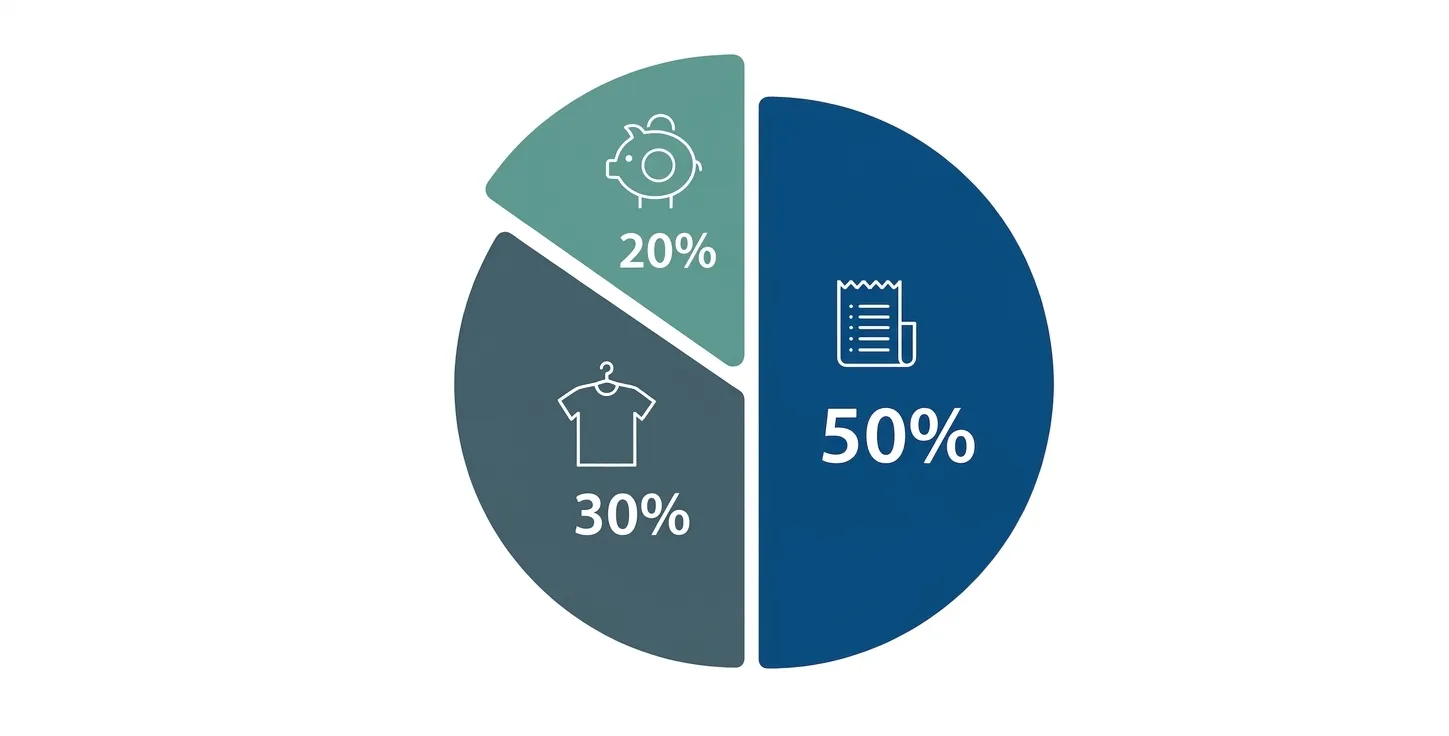
- 50% Core Operating Costs: Employee salaries, office/factory rent, utilities, raw materials, and insurance. Keep this under 50% of revenue to maintain stability.
- 20% Savings & Investments: Build contingency funds, invest in technology, R&D, market expansion, fixed assets, and strategic debt repayment.
- 30% Flexible/Development Spending: Marketing, advertising, employee training, corporate culture initiatives, and experimental projects. These are important for growth but can be adjusted if necessary.
Benefits for Businesses

Applying the 50/30/20 method brings several advantages:
- Financial Discipline: Encourages planned allocation, avoiding waste and overspending.
- Cost Control: Provides a framework to monitor and evaluate expenses, helping identify inefficiencies.
- Financial Stability: Saving and investing 20% ensures reserves for emergencies and long-term goals.
- Sustainable Growth: Development spending supports innovation, employee satisfaction, and market expansion.
- Adaptability: Percentages can be adjusted based on industry, growth stage, or market conditions.
- Monitoring & Adjustment: Regular tracking allows comparison between budgeted and actual spending.
Challenges in Applying 50/30/20 in Businesses
While beneficial, implementing 50/30/20 in businesses has challenges:
- Transaction Complexity: Businesses deal with large volumes, multiple departments, and diverse cost types.
- Compliance Requirements: All expenses require valid invoices and adherence to regulations.
- Approval & Control: Manual approval processes can cause bottlenecks.
- Lack of Tools: Relying on Excel or manual tracking is inefficient and error-prone.
Comparing 50/30/20 with Zero-Based Budgeting (ZBB)
- 50/30/20: Provides macro-level discipline for spending and resource allocation.
- Zero-Based Budgeting: Requires justification of every dollar, providing micro-level control for departments or projects.
- CFO Perspective: Combining both can ensure both strategic allocation and precise project-level control.
Using Automation to Implement 50/30/20
Bizzi Travel & Bizzi Expense are tools that help businesses apply this principle effectively:
- Flexible budgeting: Create separate “jars” for departments, projects, or campaigns aligned with 50/30/20 buckets.
- Real-time monitoring: Expenses are instantly updated and reconciled with the budget. Alerts are sent when spending approaches limits.
- Smart approval: Multi-level approvals ensure control before spending occurs.
- Reporting & analysis: Compare budgets with actual spending, analyze trends, and adjust allocations.
By combining the 50/30/20 method with automation, businesses gain both clear financial principles and tools for real-time control, ensuring resources are used efficiently and aligned with strategic goals.